 Rubber products are involved in almost every aspect of human life. From home life to various fields of industry, from raw materials to final products, both natural rubber and synthetic rubbers have different uses. Especially in the automotive sector, rubber is mainly used. The tire sector is the sector that consumes the most rubber, on average, approximately 60% of the rubber consumption in the world is realized by the tire sector. Although natural rubber was mainly used in the vehicle tire industry in the first years, nowadays the weight has shifted to synthetic rubber.
In addition to vehicle tires, brake hoses, brake cylinder gaskets, fuel hoses, gaskets, bellows, engine coolant hoses, lower wishbone – upper wishbone connection bushings, shock absorber mounts, engine mounts (ears), windshield wipers, axle bellows, shaft knuckles, door seals, rocker (top cover) gaskets, V-belts, timing belts, transmission sealing gaskets, gaskets in the fuel injection system, fuel pump gaskets, seals, anti-roll bar (stabilizer) connecting bushings, electrical cable lines protection sleeves, exhaust Rubber materials are also used for pipe connection bushings, so the automotive sector is the sector where rubber materials are used the most.
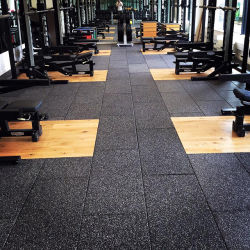
Conveyor belt manufacturing, heel, claw and sole manufacturing in shoe production, rubber bellows used in the white goods industry, gaskets, hot and cold water hoses, elastomer bearings used in highways and viaducts, expansion gaskets, sealing gaskets in drinking water pipes, plastic and aluminum joinery profiles and gaskets, thin pipes used in medicine and surgery, inflatable boats and balloons, work and surgical gloves, rubber floor covering in airports, terminal buildings and hotels, escalators and conveyor belts, rubber used in tennis or golf balls and various adhesive types produced from rubber, rubber materials are other areas of use.
Today, rubbers with ideal properties for all kinds of industrial use are used. There are more than 250 different types of rubbers, which are broadly divided into two groups as natural rubber and synthetic rubber. Natural rubber is preferred especially for its physical properties such as low thermal conductivity, flexibility, impact resistance, vibration and noise damping. Choosing the right rubber product in practice requires considering many factors such as ambient temperature, exposure to chemicals, mechanical and physical properties such as abrasion and tear, shelf life and raw material cost.
Heat resistance
The temperature of the environment in which it will be located is very important for the rubber product. If the ambient temperature drops, the rubber hardens and becomes less flexible, and even at lower temperatures, it can crack. Changes in elastomer properties due to low temperature are usually physical and are fully reversible unless the rubber is subjected to large stresses that can cause damage below its glass transition temperature. The opposite happens when exposed to high temperatures, elastomers often undergo irreversible chemical changes at elevated temperatures. For example, the polymer backbone may undergo chain scission, or the polymer molecules may cross-link, causing the elastomeric part to become much softer or harder.
The most heat resistant rubber products are Silicone and Fluorocarbon rubber, these rubbers can withstand temperatures of 230 ° C. In the second place are Polyacrylic and Hydrogen Nitrile rubbers with a maximum operating temperature of 160 – 180 ° C, rubbers such as Neoprene and Nitrile have a maximum operating temperature of 100 – 120 ° C.
Resistance to liquids
If the rubber raw material is not compatible with the liquid to which it is exposed, it swells and enters a rapid deterioration process. The concentration of the fluid, the applied pressure and the ambient temperature also affect fluid compatibility.
Fluorosilicone and Fluorocarbon rubbers have excellent oil resistance at high temperatures (>200°C). Rubbers that have good oil resistance but can be efficient in medium temperature environments are NBR, ACM and HNBR. EPDM, SBR, Butyl (IIR, CIIR, BIIR) and natural rubber-based elastomers (NR, IR) show poor oil resistance.
Wear and tear resistance
While abrasion resistance is an important selection criterion for sealing applications and tires, tear resistance is important for other mechanical applications where the rubber product must withstand nicking, cutting and tearing. Elastomers such as Hydrogen Nitrile (HNBR), isoprene rubber (NR/IR) and Styrene Butadiene Rubber (SBR) have inherent abrasion resistance, while Silicone (VMQ), Butyl (IIR) and perfluoroelastomers (FFKM) have low abrasion resistance.
Most rubbers with good abrasion resistance also have good tear resistance, and elastomers with poor abrasion resistance generally have poor tear resistance. For example, Silicone and Fluorosilicone are only suitable for static applications due to their poor tear and abrasion resistance.
raw material cost
Price often determines which elastomer to choose, as more than one rubber raw material for the same application meets all requirements. Raw material prices can vary greatly due to differences in compounds in the raw material and processing costs. In general, Styrene Butadiene (SBR), Natural rubber (NR), Isoprene (IR), Neoprene (CR) and Nitrile (NBR) rubbers are more economical rubbers. EPDM, Silicone, ACM, Butyl (IIR) and HNBR are more expensive than the first level but still considered economical. Generally, the expensive rubbers chosen if no other elastomers can meet their requirements are Fluorocarbon (FKM), Perfluorocarbon (FFKM), and Fluorosilicone (FVMQ).
 Flooring Systems